At Raahaa Fabrics, embroidery is more than embellishment — it is the art of transforming a fabric into a distinctive surface. From the first selection of fabric to the final placement of every embellishment, our approach considers embroidery as an integral part of the textile. Not simply something added to it.
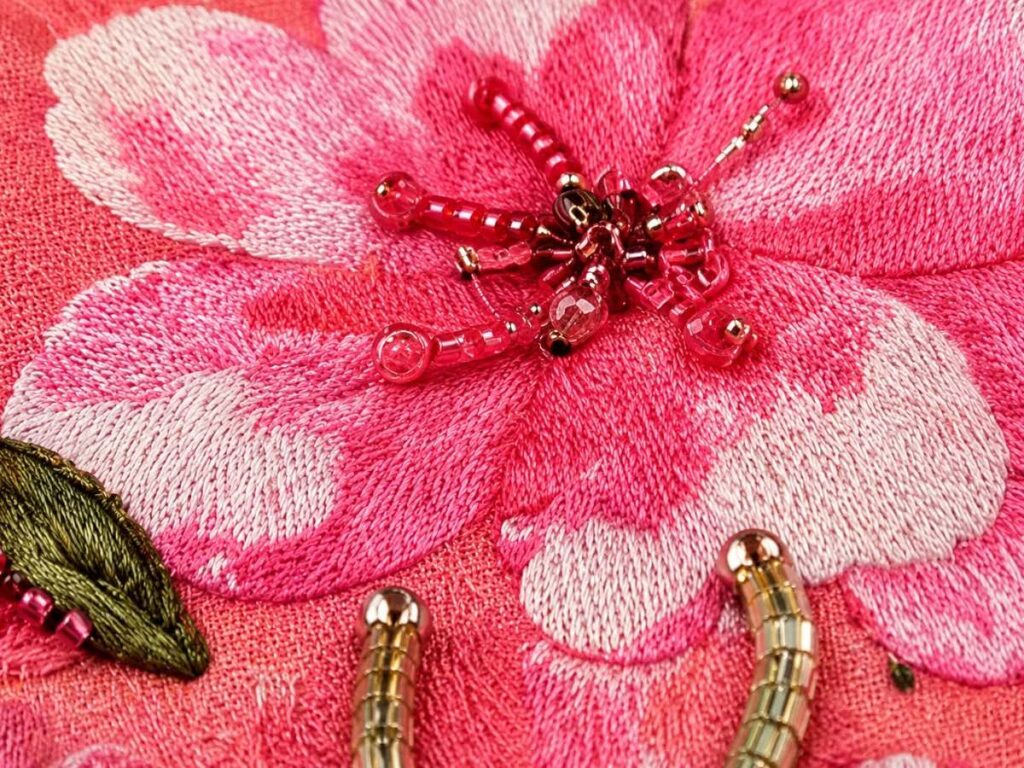
Designed for collections. Developed for individuality. Made to be remembered.
A Range Of Surfaces. One Considered Approach
Embroidery is more than embellishment. It transforms the character of a fabric through texture, dimension, colour and movement.
At Raahaa Fabrics, we work with designers and brands to develop embroidered surfaces around a specific creative direction. From the choice of base fabric to the placement, density and finish of the embroidery. Keeping every element crucial as part of the final surface.
The Hands Behind The Surface
Behind every embroidered fabric is a process that cannot be reduced to a machine or a formula.
Skilled artisans work across the fabric stitch by stitch and balancing pattern, colour, embellishment and density throughout the development.
Their experience brings an understanding of how materials behave. Importantly, how a motif should sit on a particular base and how the smallest details influence the character of the finished piece.
The Embroidery Begins With The Fabric
The foundation matters.
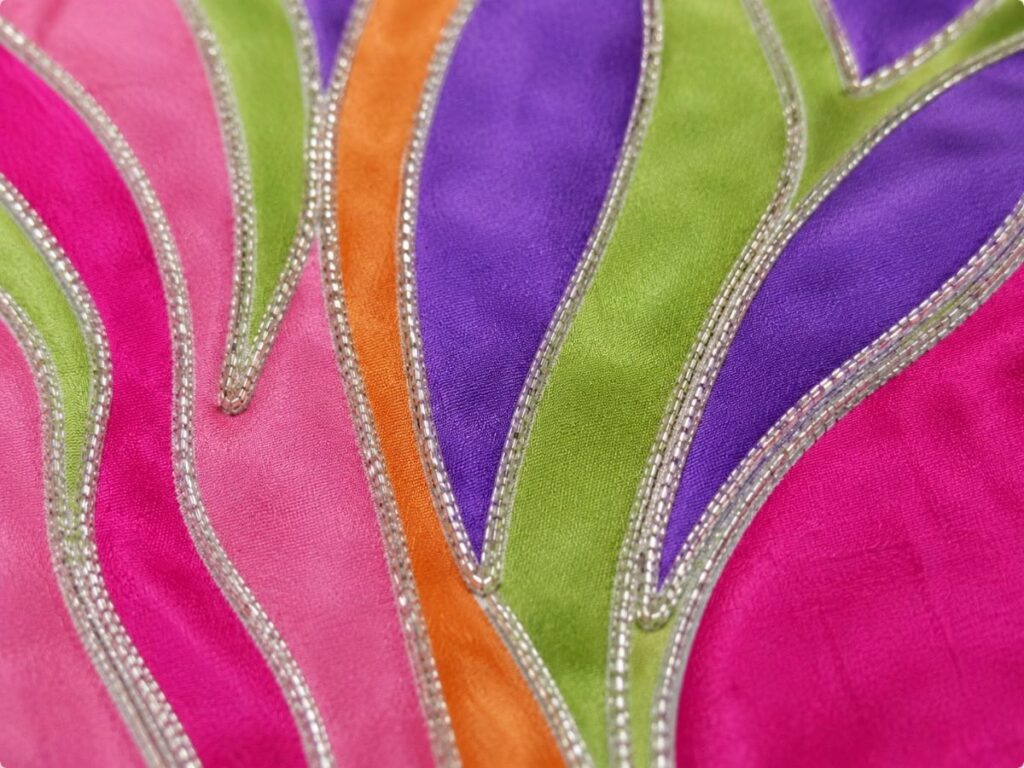
Our understanding of fabrics allows us to consider embroidery not as an independent embellishment, but as an extension of the textile beneath it.
Silk, Linen, Organza and other fabrics each respond differently to weight, stitch and embellishment. Hence, we consider these characteristics during development to create a surface that complements the fabric’s natural drape and character.
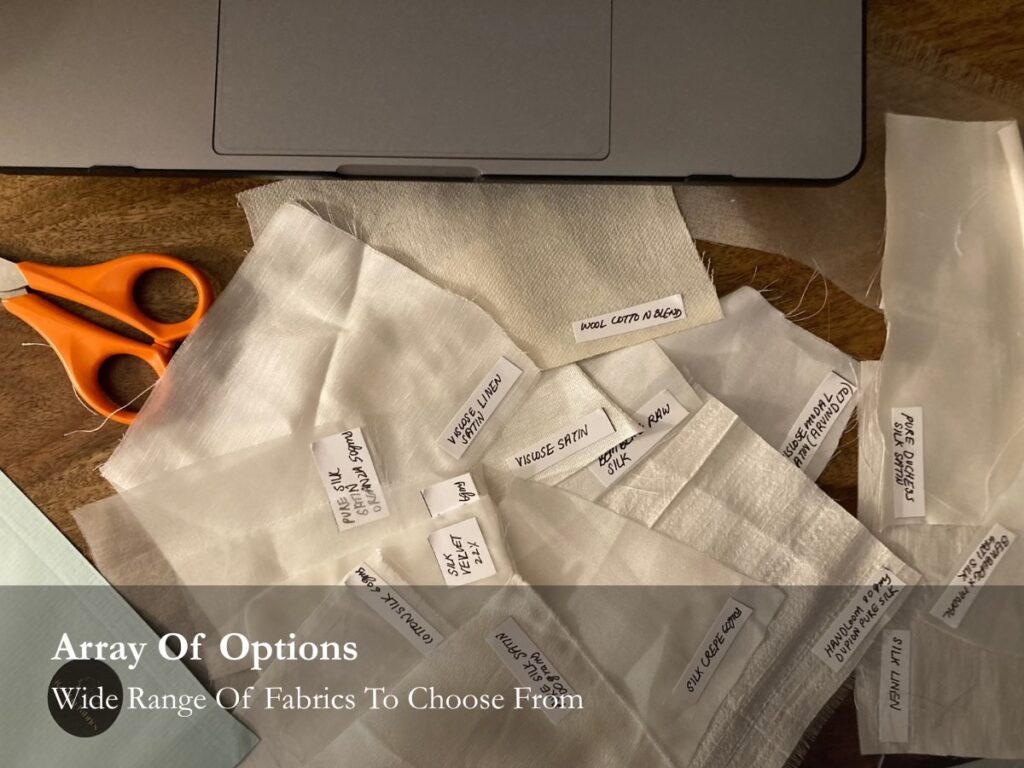
Made Around Your Vision
No two projects begin in exactly the same place.
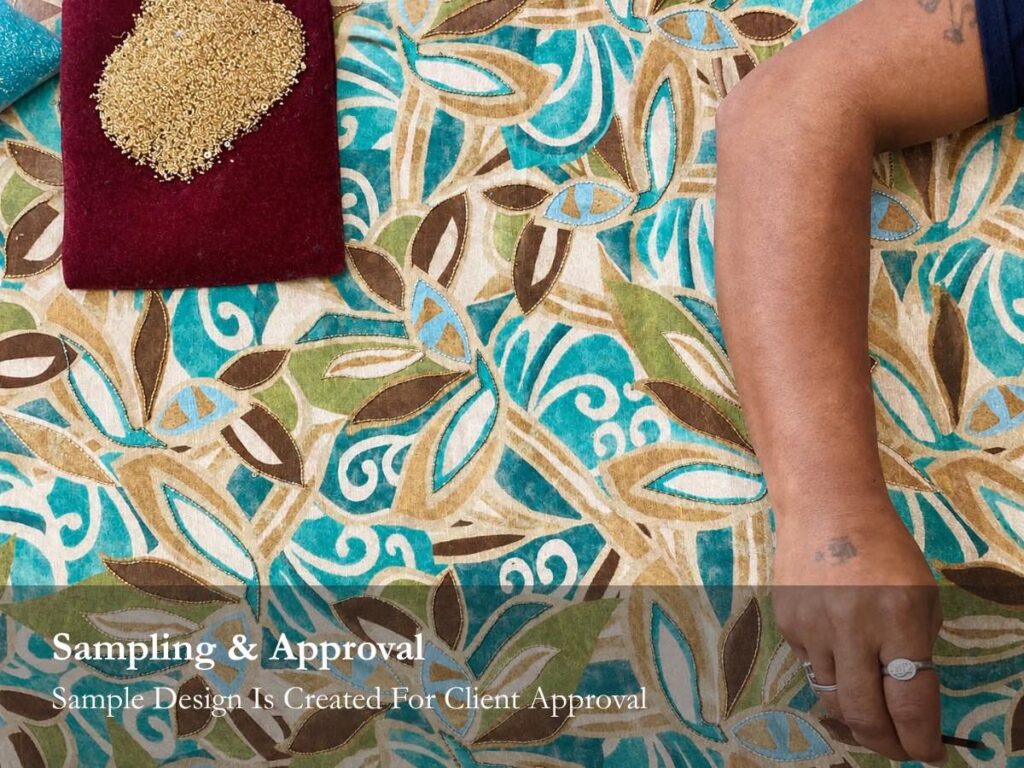
You may have a finished artwork, a hand-drawn motif, a colour story, a reference image—or simply an idea that needs to be translated into fabric.
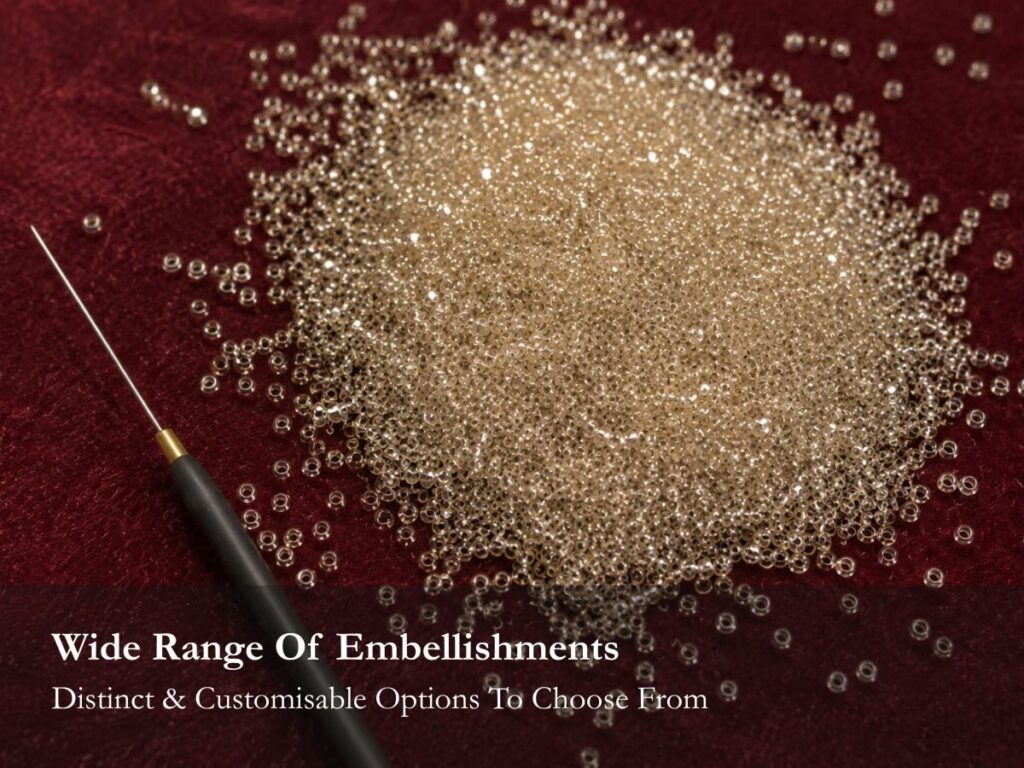
Our embroidery is executed by artisans with over 25 years of craft experience. This process allows us to explore the possibilities before production by refining the base fabric, scale, placement, colours, bead materials and embroidery techniques through sampling before moving to production.
Details That Go Beyond The Stitch
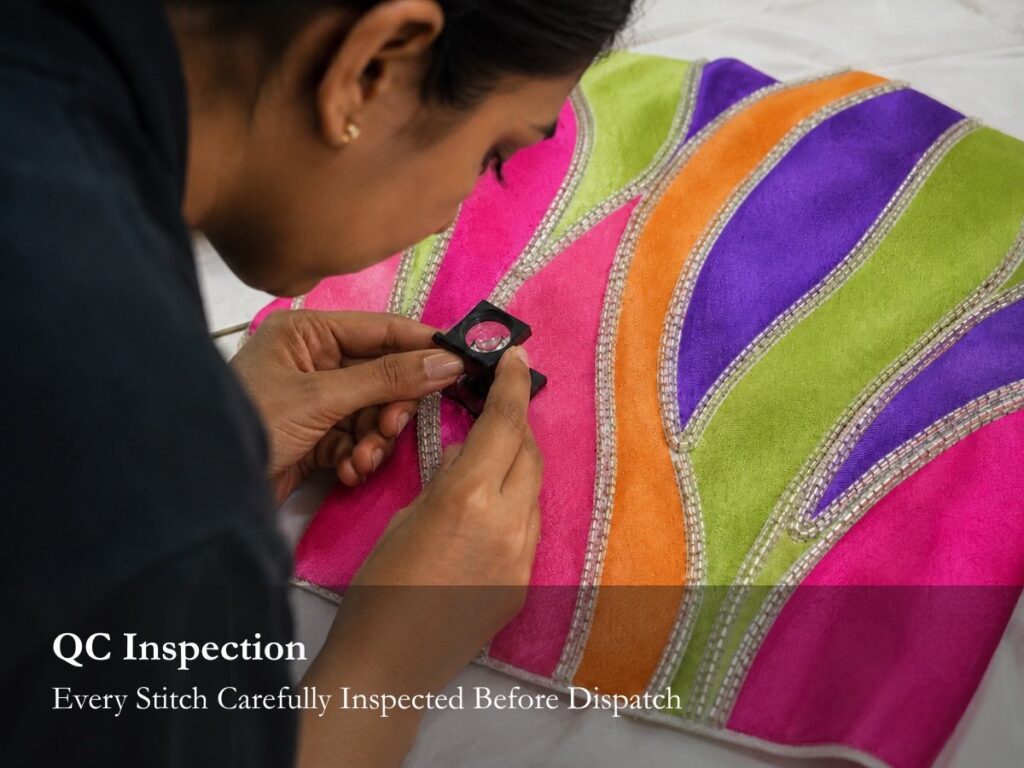
At Raahaa Fabrics, embroidery is a structure of details.
Once production is complete, each piece is inspected for consistency, stitch quality, placement, embellishment security and overall finish before it is prepared for dispatch.
A Fabric First Approach To Embroidery
Our embroidery offering is stands on our understanding of fabric.
Rather than treating the textile as simply a base for embellishment, we consider the relationship between the two—the weight, construction and drape of the fabric alongside the scale, density and character of the embroidery. Additionally, this provides clarity on how it is going to move and how it is going to carry structure for the final textile is an imperative factor.
This fabric-first approach allows us to dive deeper into not just how the textile looks in the end but overall how it can considerably make a statement. You can explore our fabric range here.
Where Your Vision Becomes Textile
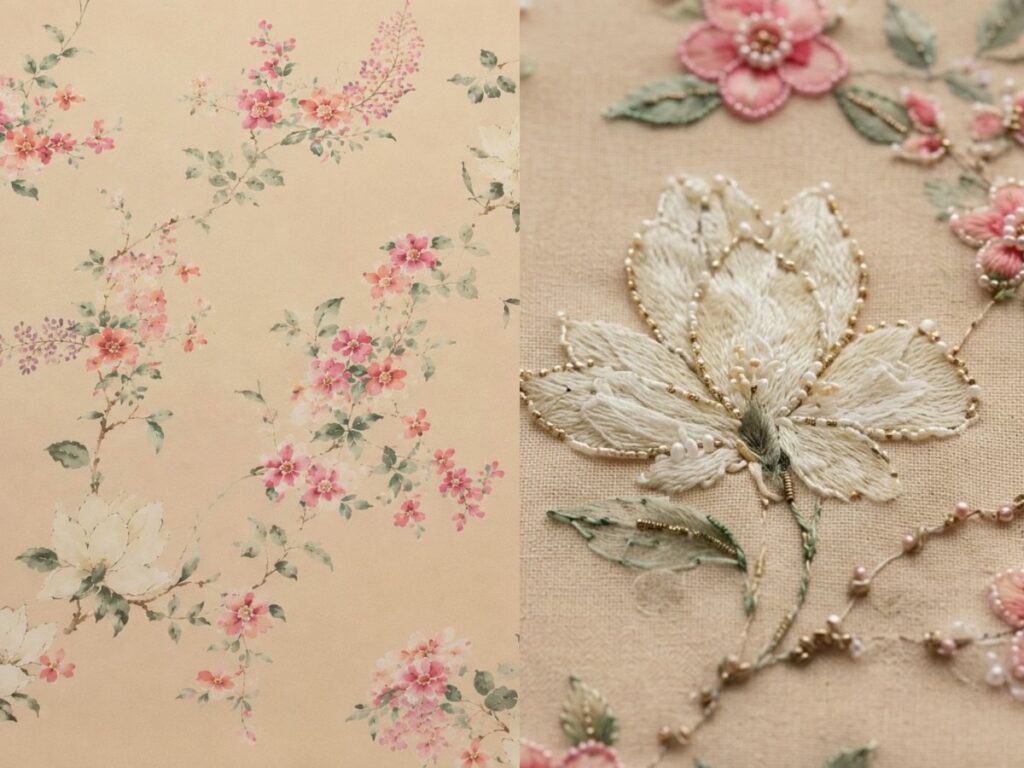
At Raahaa Fabrics, we dive beyond embellishments. Furthermore, every standout creation stems from a vision. We help articulate it into textile. From exploring fabric, texture to create embroidered surfaces that feel distinctive, dimensional and unmistakably yours.
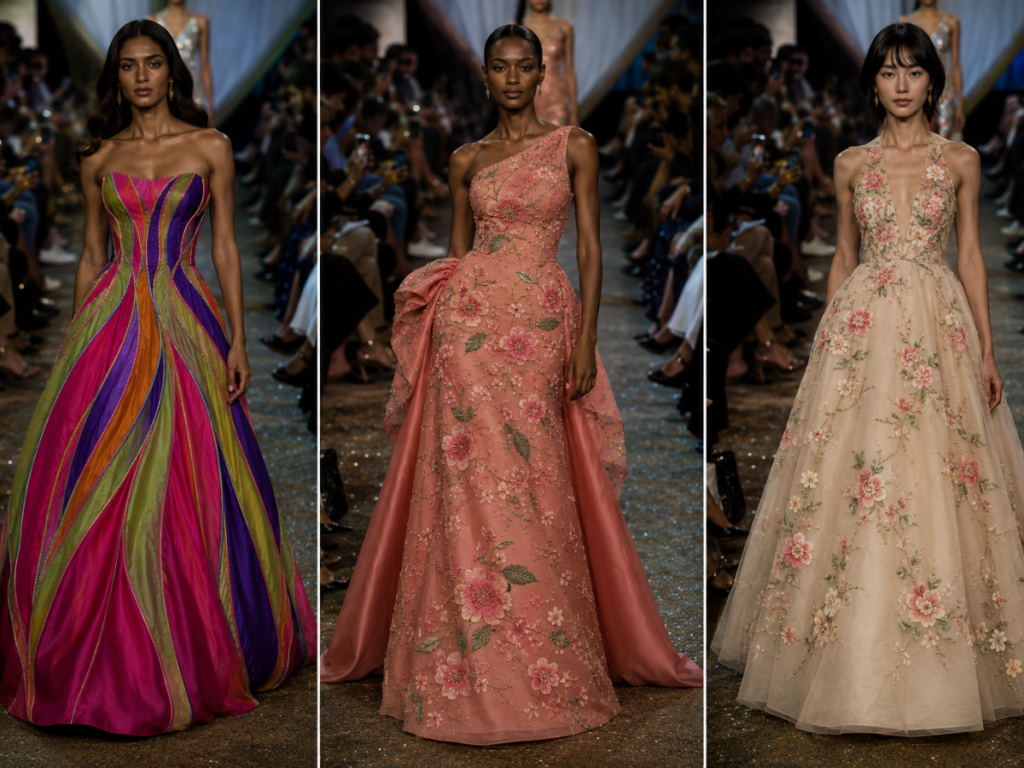
Let’s Develop Something Distinctive
Have a concept, fabric or collection in mind? Share it with us and let’s explore what we can create together.
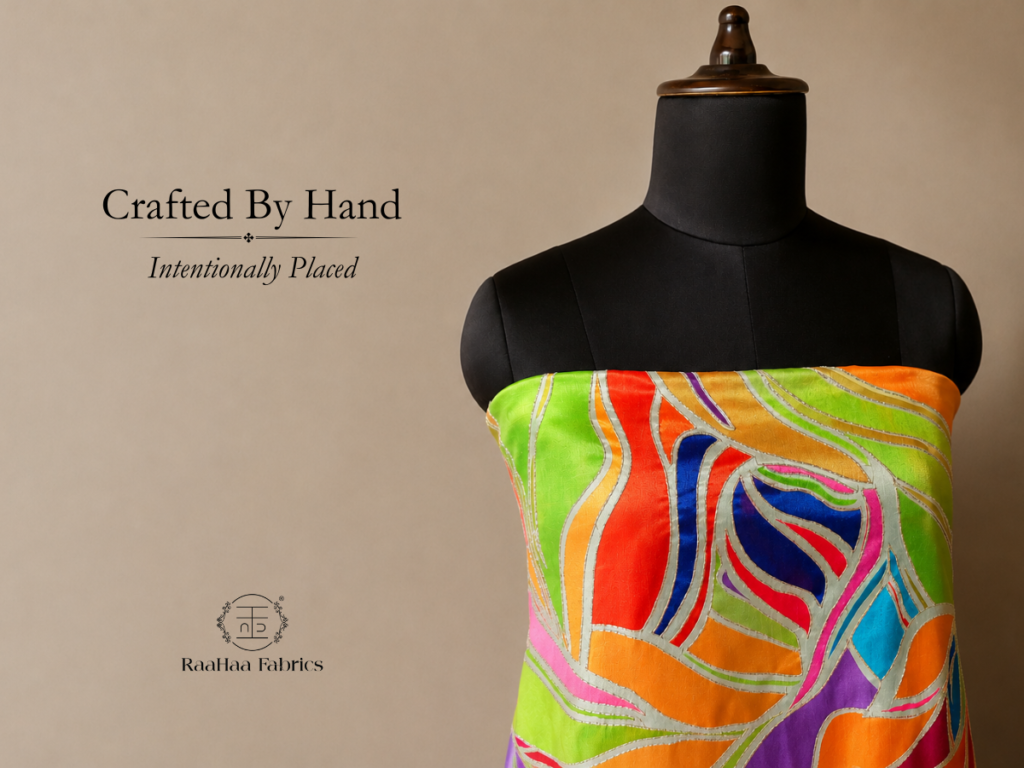
For more information about custom process, moq and production timelines, you can start a conversation here.